
What Happens During a Medical Gas Inspection?
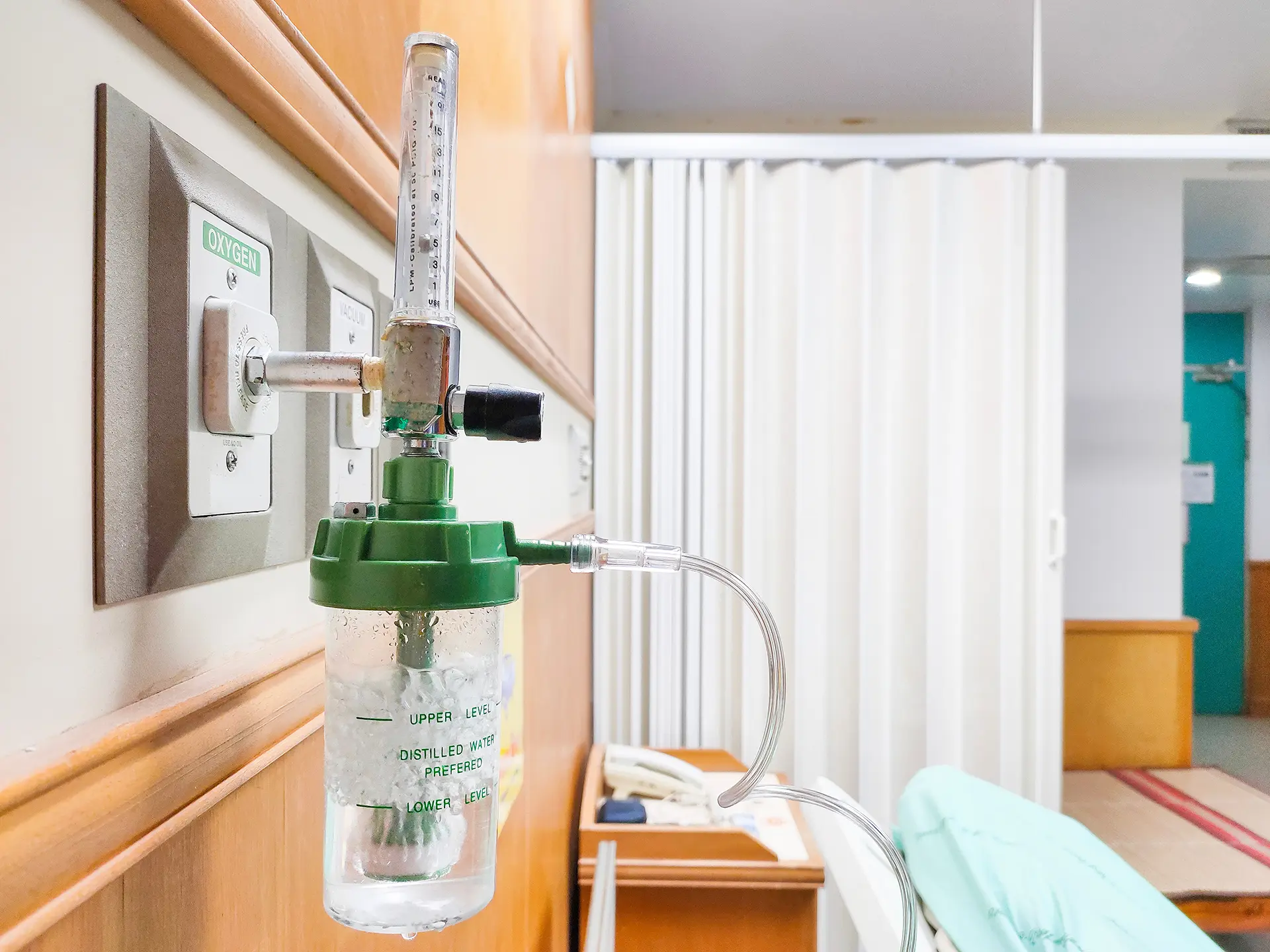
A medical gas inspection is a structured review of the systems that deliver gases like oxygen, medical air, nitrous oxide, and vacuum throughout a healthcare facility. These systems support patient care every day, so inspections are designed to confirm they are operating as expected and aligned with commonly accepted safety standards. While specific procedures can vary by facility, system type, and local regulations, most inspections follow a similar general framework.
Medical Gas Inspection Process
The process typically begins with a high-level review of system information. This may include drawings, prior inspection records, and basic system details to understand how the system is intended to function.
From there, an inspector will usually perform a visual walkthrough of key areas such as mechanical rooms, patient care spaces, and gas storage locations. During this stage, they’re generally looking for visible issues like damage, missing labels, or accessibility concerns.
Next comes a functional review of the system, where components are checked to see if they appear to operate within normal ranges. This can include reviewing pressure readings, observing alarm behavior, and confirming that equipment is responding appropriately.
Finally, the process typically ends with documentation. Observations are recorded, and any findings may be noted for further evaluation or follow-up by the appropriate parties.
Medical Gas Inspection Checklist
To keep inspections consistent, many providers use a general checklist. While details vary, common areas of focus include:
- Source equipment (such as oxygen supply systems, compressors, or vacuum pumps)
- Pipeline systems (including piping condition and labeling)
- Valves and zone controls (accessibility and identification)
- Outlets and inlets (general condition and identification)
- Alarm systems (basic functionality and visibility)
- Pressure and flow indicators (within expected ranges)
- Available documentation (drawings, logs, and prior reports)
This type of checklist helps guide the inspection but does not replace facility-specific procedures or professional evaluation.
Medical Gas Pipeline Inspection
The pipeline system is a central part of any medical gas setup, as it carries gases from the source to patient care areas.
A general pipeline inspection may include:
- Reviewing visible piping condition for signs of wear or damage
- Checking labeling and identification to confirm gases are clearly marked
- Looking at routing and support to ensure pipes appear properly secured
- Observing valves and connection points for accessibility and general condition
In some cases, additional testing methods may be used by qualified professionals, but the scope and methods can vary depending on the situation.
NFPA 99 Compliance Inspection
Many healthcare facilities reference NFPA 99, which provides widely recognized guidance for medical gas systems. A compliance-focused inspection typically involves reviewing whether systems appear to align with applicable sections of this standard.
This may include general observations related to:
- System design and classification
- Installation practices
- Alarm systems and monitoring
- Maintenance and recordkeeping
- Backup supply considerations
It’s important to note that formal compliance determinations are typically made by qualified professionals or authorities having jurisdiction, and requirements can differ based on location and facility type.
Medical Gas Testing and Verification
In addition to visual and functional checks, some inspections may involve testing and verification activities performed by properly trained and credentialed individuals.
These activities can include general categories such as:
- Pressure observations to see if the system maintains expected levels
- Flow checks to confirm gases are available where needed
- Alarm checks to verify systems respond to certain conditions
- Gas identification confirmation at outlets
- Basic quality or condition checks, depending on the system
The exact testing methods, tools, and acceptance criteria are determined by applicable standards, facility protocols, and the professionals conducting the work.
The Importance of Medical Gas Inspections for Healthcare Facilities
Medical gas systems play an important role in many areas of patient care, from routine treatments to critical procedures. Regular inspections help facilities:
- Identify potential issues early
- Maintain system awareness
- Support ongoing maintenance planning
- Align with internal policies and external expectations
Together, these efforts help create a more consistent, reliable environment where systems can be monitored proactively rather than reactively.
Stay Proactive With Medical Gas Inspections
A medical gas inspection is a multi-step review process that may include visual checks, system observations, checklist-based evaluations, and, when appropriate, testing and verification.
Because requirements and procedures can vary, inspections are typically carried out by qualified professionals who follow applicable standards, codes, and facility-specific protocols.
For healthcare facilities, staying proactive with inspections supports reliable system performance and helps maintain a safe environment for both patients and staff.
Looking for a medical gas company in the Tri-State Area? At Medpipe, we serve facilities across Pennsylvania, Ohio, and West Virginia. Contact us today for more information or to schedule your medical gas inspection.