
How Often Do Medical Gas Systems Need to Be Inspected?
Medical gas systems are a critical part of any healthcare facility. They deliver oxygen to patient rooms, supply medical air to ventilators, support anesthesia delivery, and power vacuum systems used in procedures. Because these systems directly affect patient safety, regular inspections are essential.
But how often do medical gas systems need to be inspected? The answer depends on system type, usage, and regulatory requirements. In general, facilities should follow a defined medical gas system inspection schedule based on NFPA guidelines, accreditation standards, and internal risk assessments.
Below, we break down medical gas inspection frequency, what’s required under NFPA 99 medical gas inspections, and how to build a schedule that supports safety and compliance.
Understanding NFPA 99 Medical Gas Inspection Requirements
The primary code governing medical gas systems in the United States is NFPA 99 (Health Care Facilities Code). This standard outlines testing, maintenance, and documentation requirements for medical gas and vacuum systems.
Under NFPA 99 medical gas inspections, facilities are generally required to:
- Perform regular inspections of medical gas outlets and inlets
- Test alarms and monitoring systems
- Inspect zone valves for accessibility and labeling
- Maintain documentation of all inspections and maintenance
- Conduct system testing after any repairs, renovations, or modifications
NFPA 99 outlines requirements for maintenance, testing, and verification of medical gas systems. Together, these activities form the foundation of a compliant inspection and oversight program.
Facilities should consult the most current edition of NFPA 99 and applicable local regulations to confirm specific requirements.
What Is the Recommended Medical Gas Inspection Frequency?
When discussing medical gas inspection frequency, it’s helpful to separate inspections into categories:
Annual Medical Gas Inspection
Most healthcare facilities conduct an annual medical gas inspection as part of their compliance program. This typically includes:
- Functional testing of master and area alarm panels
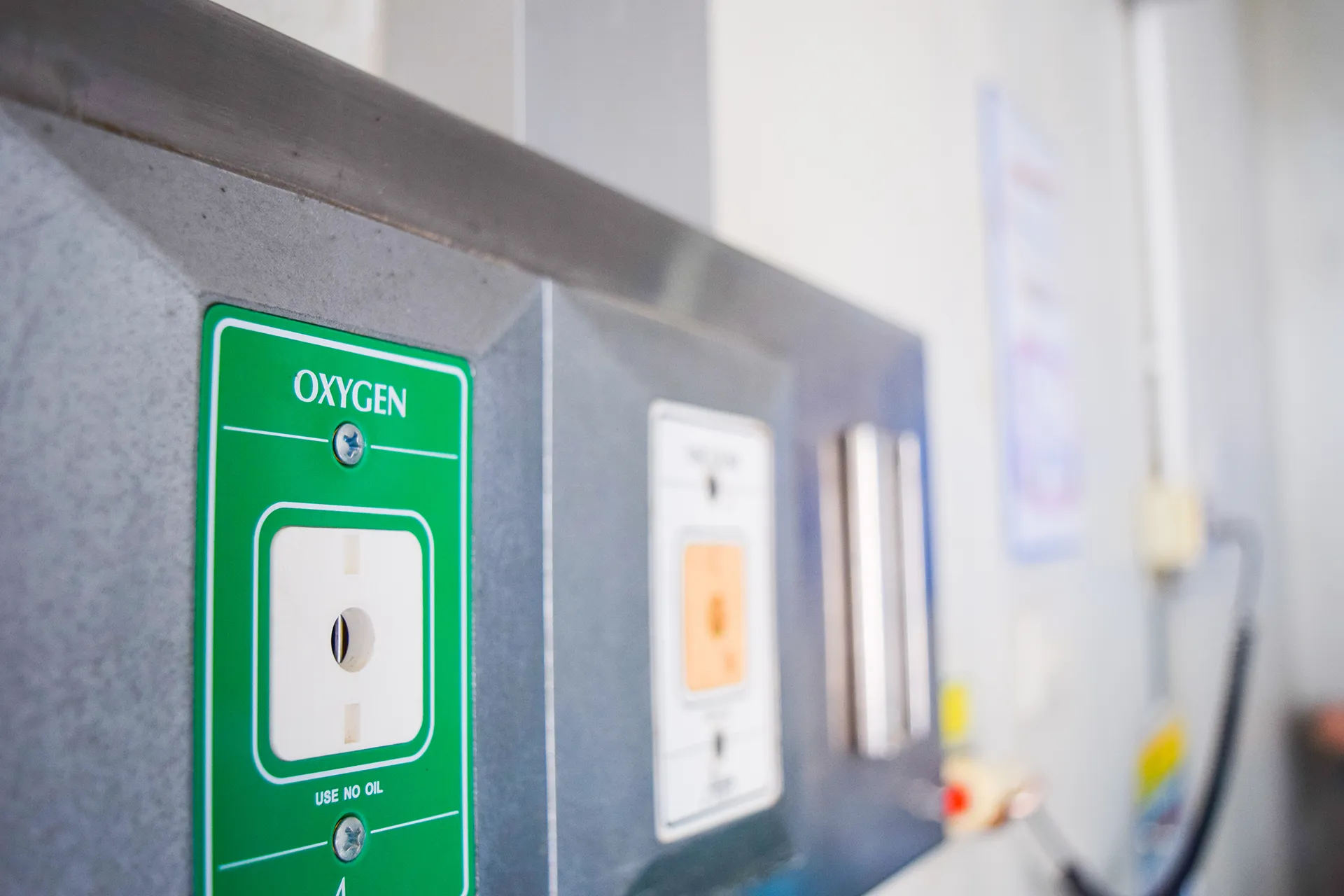
- Inspection of medical gas outlets and inlets
- Review of source equipment (bulk oxygen systems, manifolds, compressors)
- Documentation updates
An annual inspection helps confirm that the system continues to operate safely and in compliance with NFPA standards.
Ongoing Preventive Maintenance
In addition to annual inspections, many facilities incorporate medical gas systems into their broader preventive maintenance programs. Depending on facility size and risk category, this may include:
- Quarterly alarm checks
- Routine visual inspections
- Periodic valve testing
- Monitoring of pressure and performance logs
The exact schedule may vary, but the goal remains the same: identify small issues before they become larger system failures.
Post-Construction or Post-Repair Inspections
Whenever a system is newly installed, expanded, or repaired, it must undergo proper verification before returning to service. This is separate from routine inspection frequency and typically requires a qualified verifier.
Why Medical Gas Compliance Inspections Matter
A medical gas compliance inspection is not just about meeting code; it’s about protecting patients and supporting facility operations.
Here’s why compliance inspections are important:
Patient Safety
Medical gases like oxygen and nitrous oxide are life-supporting or anesthesia-supporting gases. Even small errors—such as incorrect labeling or pressure imbalance—can create serious risks. Routine inspections help confirm that outlets deliver the correct gas at the proper pressure.
Accreditation and Regulatory Readiness
Many healthcare facilities are surveyed by organizations such as The Joint Commission or DNV. During surveys, inspectors often request documentation of NFPA 99 medical gas inspections. Having a clear, documented inspection schedule supports accreditation readiness.
Operational Reliability
Medical gas system failures can interrupt surgeries, delay procedures, and disrupt patient care. A consistent medical gas system inspection schedule reduces the likelihood of unexpected downtime.
How to Build an Effective Medical Gas System Inspection Schedule
Every facility is different. A small outpatient clinic will not have the same inspection needs as a large hospital. However, most facilities benefit from a structured approach.
Here are general best practices to consider:
Follow NFPA 99 Guidelines
Start with the current edition of NFPA 99 and align your inspection plan with its maintenance and testing recommendations.
Assess Facility Risk Category
NFPA 99 categorizes healthcare facilities based on the level of risk to patients if a system fails. Higher-risk environments, such as operating rooms and intensive care units, may require more detailed oversight.
Document Everything
Maintain records of:
- Inspection dates
- Areas inspected
- Findings and corrective actions
- Alarm and valve testing results
Clear documentation supports both compliance and internal accountability.
Coordinate With Qualified Professionals
Some aspects of inspection can be handled by trained facility staff. Others (especially system verification) may require certified medical gas professionals. Understanding when outside expertise is needed helps protect both patients and compliance status.
Testing, Maintenance, and System Monitoring
Inspection frequency is only one part of a comprehensive medical gas safety program. Facilities should also consider:
Alarm Monitoring
Master and area alarms should be checked regularly to confirm they activate properly during pressure fluctuations or source failures.
Source Equipment Maintenance
Bulk oxygen systems, medical air compressors, and vacuum pumps require routine maintenance according to manufacturer recommendations. This is often performed on a defined schedule separate from outlet inspections.
Staff Awareness and Training
Clinical and maintenance staff should know:
- How to identify different gas outlets
- What to do if an alarm activates
- How to report suspected gas issues
Training supports early identification of potential concerns between formal inspections.
System Changes
Any renovation, expansion, or system modification should trigger a review of the inspection schedule to ensure continued compliance.
A Deeper Look at Medical Gas System Inspections
If you’re wondering, “How often should the medical gas system at my facility be inspected?”, there is no single universal answer.
However, most facilities follow a combination of:
- An annual medical gas inspection
- Ongoing preventive maintenance checks
- Required inspections after repairs or construction
- Documentation reviews tied to accreditation cycles
Ultimately, medical gas inspection frequency should align with NFPA 99 requirements, facility risk level, and operational demands.
Facilities should consult current code requirements and qualified professionals when establishing or updating their inspection programs. This article is intended to provide general information and should not replace official code guidance or regulatory consultation.
A Proactive Approach Supports Safety and Compliance
Medical gas systems are foundational to patient care. Regular inspections help confirm that these systems continue to operate safely, reliably, and in compliance with applicable standards.
By developing a structured medical gas system inspection schedule, conducting annual medical gas inspections, and maintaining thorough documentation of medical gas compliance inspections, healthcare facilities can reduce risk and support operational continuity.
Following NFPA 99 medical gas inspections guidelines isn’t just about meeting regulatory expectations—it’s about maintaining an environment where clinicians can focus on care and patients can receive treatment with confidence.
If your facility is reviewing its inspection schedule, now is a good time to confirm that your processes align with current standards and operational needs. A proactive approach to inspection and maintenance helps protect patients, staff, and the long-term reliability of your medical gas system.
Looking for a trusted medical gas inspector in the Tri-State Area? At Medpipe, we serve facilities across Pennsylvania, Ohio, and West Virginia. Contact us today for more information.