
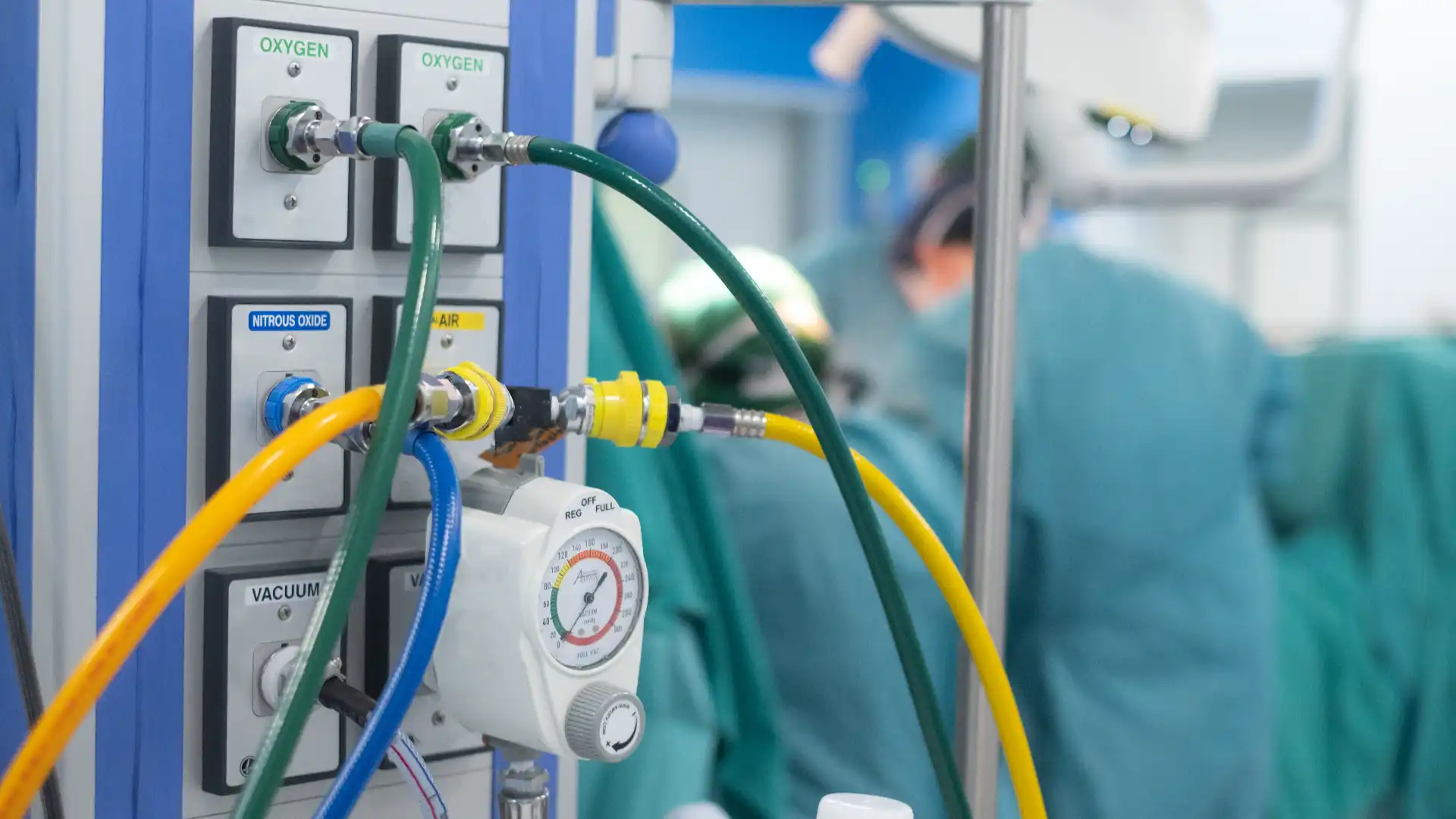
Lab Gas Equipment Essentials: What Every Lab Needs for Safe, Accurate Operations
A reliable lab depends on more than skilled technicians and high-quality instruments. Behind every test, experiment, and process is a network of systems that help control gas, air, pressure, flow, and vacuum. When these systems are designed well, installed properly, and maintained over time, they support safer work, cleaner results, and more consistent day-to-day operations.
That’s why lab gas equipment is such an important part of any laboratory setup. From research facilities and testing labs to healthcare, pharmaceutical, academic, and industrial environments, the right equipment helps teams work with confidence. It also helps protect people, samples, instruments, and results.
While every lab has different needs, most facilities rely on a core group of gas, air, and vacuum components. Understanding these essentials can help lab managers, facility teams, and decision-makers build a safer and more dependable workspace.
Why Lab Gas Equipment Matters
Laboratories often use gases for testing, calibration, sample preparation, instrument operation, chemical processes, and controlled environments. Depending on the type of lab, these gases may include oxygen, nitrogen, argon, helium, hydrogen, carbon dioxide, compressed air, or specialty gas mixtures.
Because gases can affect both safety and accuracy, the equipment used to store, deliver, control, and monitor them must be carefully selected. Poorly planned gas systems can lead to inconsistent pressure, contamination, leaks, downtime, inaccurate readings, or hazards for staff.
Good lab gas equipment helps maintain stable delivery, clean gas quality, proper flow, and safe handling. It also helps reduce disruptions by giving teams a system they can rely on during routine work.
Core Lab Gas Equipment Every Facility Should Understand
A complete lab gas system usually includes several connected parts. Each one plays a role in moving gas from the source to the point of use.
Gas Cylinders and Gas Supply Sources
Many labs use gas cylinders as their primary supply source. Cylinders are available in different sizes and contain gases under high pressure. Because of this, they must be stored, secured, labeled, and handled carefully.
Some facilities may use bulk gas systems, generators, or centralized gas delivery systems instead of individual cylinders. The right option depends on how often the gas is used, the required purity, available space, safety requirements, and budget.
For high-use labs, centralized systems can reduce cylinder changes and help create a more organized workspace. For smaller labs, cylinders may provide enough flexibility without requiring a larger infrastructure investment.
Regulators
A gas regulator controls the pressure coming from a cylinder or supply line. Since cylinder pressure is often much higher than what lab instruments or processes can safely use, regulators are essential.
The regulator reduces incoming pressure to a usable outlet pressure. In many labs, two-stage regulators are preferred for applications that require stable pressure over time. Single-stage regulators may be suitable for simpler or less sensitive uses.
Selecting the right regulator depends on the gas type, pressure range, purity needs, material compatibility, and application. For example, corrosive gases require different regulator materials than inert gases.
Tubing, Piping, and Fittings
Gas must travel from the supply source to the work area through tubing or piping. These components may seem basic, but they have a major effect on system performance.
The material must be compatible with the gas being used. Stainless steel, copper, brass, and specialty polymers may be used depending on the application. For high-purity gases, the wrong tubing can introduce contamination and affect results.
Fittings, valves, and connections must also be chosen carefully. Leaks often occur at connection points, so proper installation and regular checks are important.
Valves and Control Points
Valves allow users to open, close, isolate, or adjust gas flow within the system. These may include shutoff valves, needle valves, check valves, ball valves, and safety relief valves.
Having the right valves in the right locations makes the system easier and safer to manage. For example, local shutoff valves allow staff to stop gas flow to a specific area without shutting down the entire lab.
Clear labeling is also important. In an emergency, users need to identify the correct gas line or shutoff point quickly.
Flowmeters and Flow Controllers
Many lab processes require precise gas flow. Flowmeters allow users to monitor how much gas is moving through a line, while flow controllers help regulate it.
For basic applications, manual flowmeters may be enough. For more advanced processes, electronic mass flow controllers may be used to provide precise, repeatable control.
Accurate flow control is especially important when gas affects test conditions, instrument readings, reactions, or sample quality.
Gas Detection and Monitoring
Safety should always be a priority when gases are used in a lab. Gas detection systems help alert staff to leaks or dangerous conditions.
The type of monitoring needed depends on the gases being used. Oxygen monitoring may be needed where inert gases could displace oxygen. Combustible gas detection may be needed where hydrogen or other flammable gases are present. Toxic gas sensors may be required for hazardous gases.
These systems should be installed in appropriate locations and tested regularly. Alarm settings, ventilation, and emergency procedures should also be clearly defined.
Laboratory Air and Vacuum Systems
In addition to specialty gases, many labs rely on laboratory air and vacuum systems for daily operations. These systems support instruments, filtration, aspiration, drying, sample handling, and many other tasks.
Because they are used so often, air and vacuum systems should be planned with the same level of care as gas delivery systems.
Laboratory Air Systems
Laboratory air systems provide compressed air for equipment, tools, instruments, and processes. In some labs, compressed air may also be used as a clean, dry utility gas.
Key considerations include pressure, flow rate, dryness, filtration, and oil content. Some applications can tolerate standard compressed air, while others require clean, dry, oil-free air.
Moisture and particles in compressed air can damage instruments or interfere with lab processes. That is why filtration and drying equipment may be needed. Depending on the lab, this may include particulate filters, coalescing filters, desiccant dryers, refrigerated dryers, or oil-free compressors.
A properly sized air system helps prevent pressure drops, overworked equipment, and inconsistent performance.
Laboratory Vacuum Systems
Vacuum systems remove air or gas from a chamber, vessel, line, or instrument. Labs use vacuum for filtration, degassing, drying, aspiration, evaporation, and sample preparation.
A lab may use individual vacuum pumps at each bench, or it may use a centralized vacuum system. Central systems can reduce noise, heat, and clutter in the lab. They can also simplify maintenance because pumps and equipment may be located outside the primary work area.
The right vacuum system depends on required vacuum level, flow demand, chemical exposure, number of users, and application type. Some systems need protection from liquids, vapors, or corrosive chemicals. Traps, filters, separators, and chemical-resistant pumps may be needed to protect equipment and staff.
Safety Considerations for Lab Gas Systems
Safe lab gas operation starts with planning. Systems should be designed around the gases, applications, and people using them.
Important safety practices include:
- Securing gas cylinders at all times
- Using regulators and fittings rated for the specific gas
- Labeling gas lines and shutoff valves clearly
- Checking for leaks at regular intervals
- Keeping flammable gases away from ignition sources
- Providing proper ventilation
- Installing gas detection where needed
- Training staff on normal operation and emergency steps
- Maintaining clear access to shutoff points
- Following applicable codes, standards, and facility policies
Even the best equipment can become unsafe if it is used incorrectly or ignored after installation. Ongoing training and maintenance are just as important as the initial system design.
Accuracy Starts With System Stability
A lab can have advanced instruments, but results may still suffer if gas delivery is unstable or contaminated. Pressure fluctuations, improper flow, moisture, particulates, or gas impurities can all affect performance.
For accurate operations, labs should consider:
- Gas purity requirements
- Regulator quality
- Tubing and fitting compatibility
- Filtration needs
- Pressure stability
- Flow control
- Preventive maintenance
- Calibration schedules
For sensitive instruments, small issues in the gas supply can create big problems. A thoughtful system helps protect data quality and reduces the risk of repeated testing, failed runs, or unexplained errors.
Maintenance and Long-Term Performance
Lab gas equipment, laboratory air systems, and vacuum systems should be inspected and serviced on a routine schedule. Maintenance needs vary based on system type and usage, but common tasks include checking leaks, replacing filters, reviewing regulator performance, inspecting tubing and fittings, draining moisture, servicing compressors, and maintaining vacuum pumps.
Documentation is also important. Records of service, repairs, inspections, and equipment changes help teams spot patterns and plan ahead. This is especially useful in regulated or quality-focused lab environments.
Building a Lab That Works Better
The right lab gas equipment supports more than compliance. It helps create a workplace where staff can focus on the work instead of fighting unreliable systems. It protects instruments, supports cleaner results, and helps the lab run with fewer interruptions.
Every lab is different, so there is no single setup that works for everyone. A teaching lab, research lab, clinical lab, and industrial testing facility may all require different gas, air, and vacuum solutions. The key is to match the equipment to the application, safety risks, purity needs, and daily workflow.
When laboratory air and vacuum systems are planned alongside gas delivery equipment, the result is a stronger, more practical lab infrastructure. With the right design, installation, monitoring, and maintenance, labs can support safe, accurate operations every day.
Looking for a medical gas company in the Tri-State Area? At Medpipe, we serve facilities across Pennsylvania, Ohio, and West Virginia. Contact us today for more information or to schedule your medical gas inspection.