
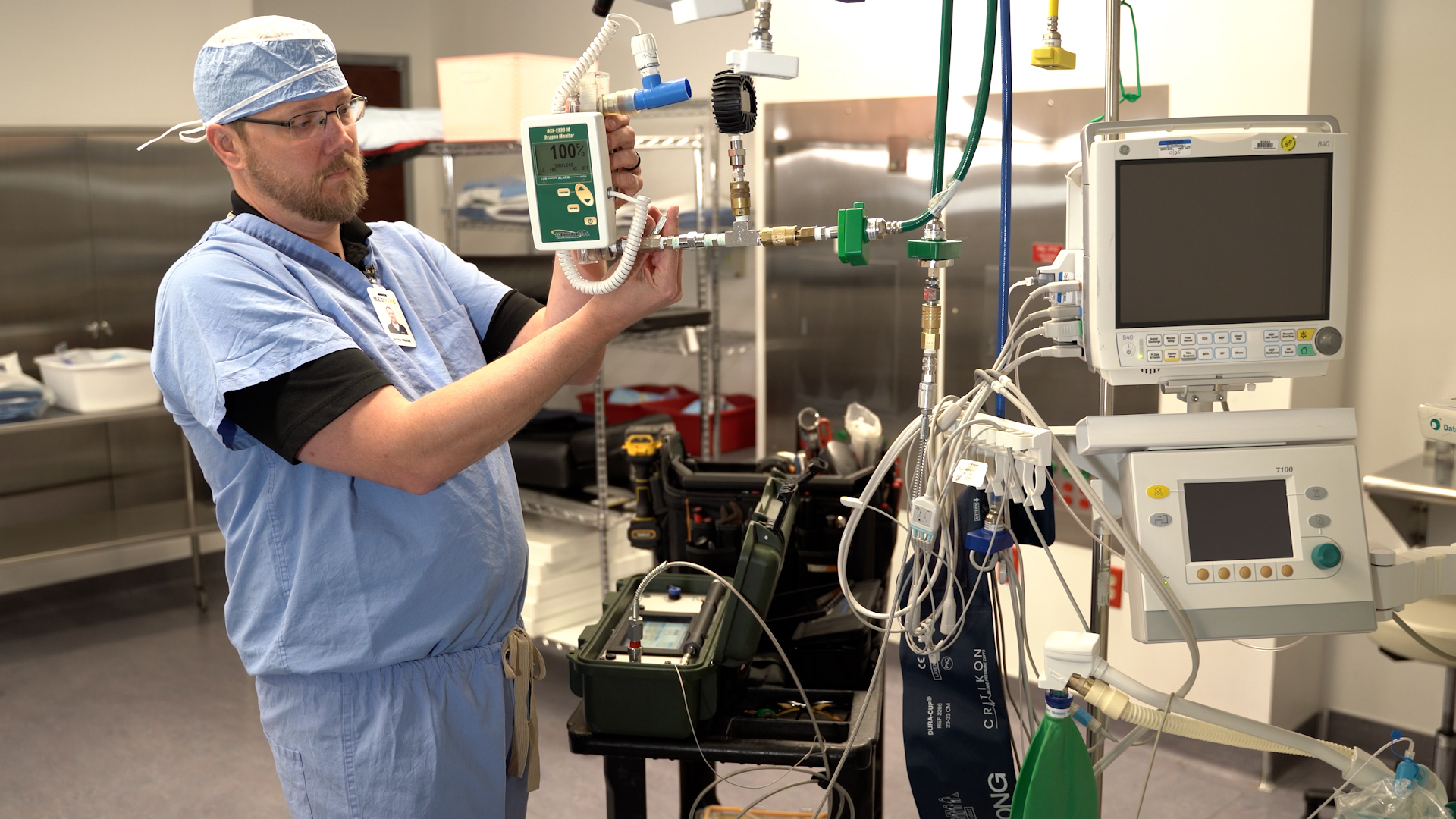
Training & Certification Essentials for Medical Gas Service Teams
Medical gas systems play a steady, behind-the-scenes role in healthcare facilities every day. From oxygen delivery to vacuum and medical air systems, these networks support patient care across hospitals, surgical centers, clinics, and long-term care facilities. Because of their importance, the people who install, maintain, and service these systems must be properly trained and qualified.
That’s where medical gas training, certification, and ongoing education come into focus. For healthcare organizations and service providers alike, investing in technician education supports safety, compliance, and long-term system reliability.
Why Medical Gas Training Matters
Medical gas systems are highly regulated and technically complex. Proper training gives service teams the knowledge they need to work confidently within these systems while following established codes and standards. Well-trained technicians are better prepared to understand system layouts, recognize performance issues, and complete service work accurately.
From a broader perspective, medical gas training supports consistency across facilities. When technicians follow the same standards and methods, healthcare environments benefit from predictable outcomes and fewer service interruptions.
The Role of Certification in Medical Gas Work
Certifications help establish a shared baseline of knowledge across the industry. They confirm that technicians understand system components, installation practices, and testing procedures as defined by national standards.
One commonly referenced credential is ASSE 6050 certification, which applies to technicians involved in medical gas service and maintenance. This certification focuses on system knowledge, safety practices, and proper service procedures, making it a valuable part of technician education.
Certification programs like ASSE 6050 also support clearer communication between service providers, facility managers, and inspectors by aligning everyone around the same expectations.
Supporting Healthcare Compliance
Healthcare environments are governed by a wide range of codes and regulations, including NFPA 99 and various accreditation standards. While facility leaders oversee compliance at a higher level, trained service teams play an important supporting role.
Technicians who understand healthcare compliance requirements are better equipped to:
- Follow approved procedures when servicing systems
- Document work clearly and accurately
- Coordinate with facility staff during inspections or testing
- Identify situations that may require follow-up or additional review
This shared understanding helps facilities stay organized and prepared without adding unnecessary complexity.
Technician Education Beyond Initial Training
Initial certification is only one step in a technician’s professional development. Medical gas systems evolve, equipment changes, and codes are updated. Ongoing technician education helps service teams stay current and confident in their work.
Continuing education may include refresher courses, manufacturer-specific training, or updates related to changes in standards. For facilities, working with teams that value ongoing learning helps support consistent service and long-term system performance.
Medical Gas Safety Starts With Knowledge
Safety is a core focus of all medical gas work. Proper training reinforces best practices for handling gases, working around pressurized systems, and maintaining clean environments.
Medical gas safety training often emphasizes awareness—understanding how systems behave, how components interact, and how small issues can affect overall performance. When technicians are trained to approach systems methodically and thoughtfully, service work becomes more predictable and controlled.
Training Topics Commonly Covered
Medical gas training programs often cover a broad range of topics to prepare technicians for real-world environments. These programs typically address both technical knowledge and practical application.
Common areas of focus include:
- System components and layouts
- Reading and understanding drawings
- Pressure testing and verification methods
- Alarm systems and monitoring
- Documentation and reporting practices
- Coordination with facility maintenance teams
Structured training gives service teams a shared foundation, helping them approach each task with consistency and clarity. After completing this type of training, technicians are better prepared to work collaboratively with healthcare staff and respond appropriately to system needs.
The Value of Facility Maintenance Training
While service technicians play a key role, facility staff are also part of the larger picture. Facility maintenance training helps in-house teams understand how medical gas systems operate and how to recognize when professional service may be needed.
This type of training supports better communication between facilities and service providers. Maintenance teams who understand system basics can provide clearer information during service calls and help coordinate access, scheduling, and documentation.
Building Confidence Through Preparation
For healthcare facilities, knowing that service teams are properly trained and certified builds confidence. It supports smoother inspections, clearer documentation, and consistent system performance over time.
For service providers, investing in medical gas training and certification supports professional growth and long-term reliability. It shows a commitment to doing work the right way, following standards, and supporting healthcare environments responsibly.
A Steady Foundation for Medical Gas Services
Training and certification are an important part of reliable medical gas services. Through structured education, certifications like ASSE 6050, and ongoing learning, service teams develop the skills needed to support healthcare facilities effectively.
By focusing on technician education, medical gas safety, and healthcare compliance, organizations create a steady foundation that benefits both service teams and the facilities they support. In an environment where consistency and reliability matter every day, proper training helps everyone work with confidence and clarity.
Looking for a trusted medical gas supplier in the Tri-State Area? At Medpipe, we serve facilities across Pennsylvania, Ohio, and West Virginia. Contact us today for more information.