
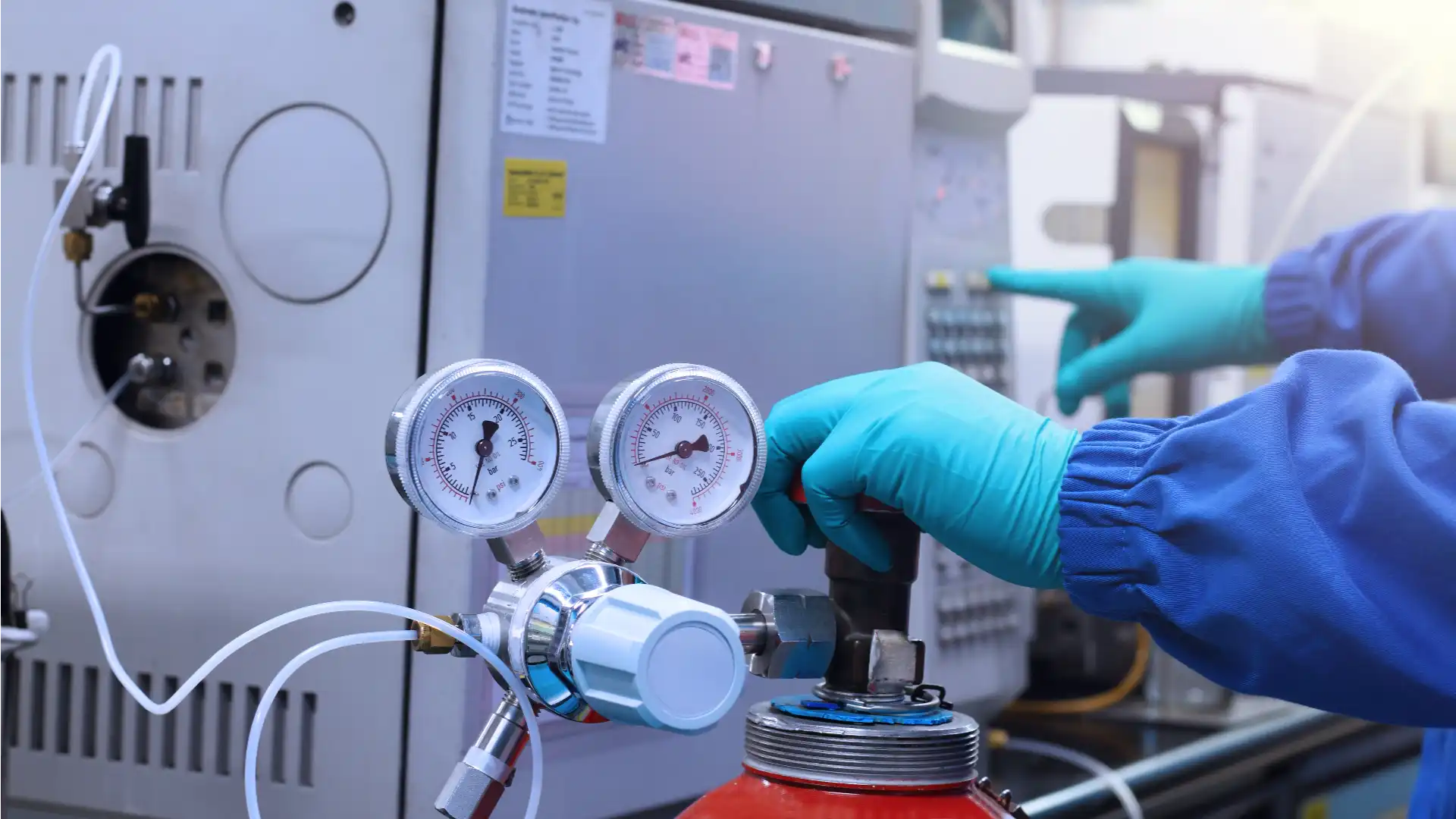
How Fast Can Emergency Rental Equipment Be Deployed?
When critical systems go down, time matters. Whether a facility is dealing with planned maintenance, an unexpected failure, a renovation delay, or an urgent capacity issue, the ability to get temporary equipment on-site quickly can help keep operations moving and reduce risk.
For healthcare facilities, laboratories, surgical centers, industrial sites, and other regulated environments, emergency rental equipment is often used as a bridge. It gives teams access to temporary support while permanent systems are repaired, replaced, inspected, or upgraded.
One of the most common questions facility managers ask is: How fast can emergency rental equipment be deployed?
The honest answer is: It depends. Emergency rental equipment deployment time can vary based on the type of equipment needed, the facility location, site access, utility connections, gas requirements, permitting needs, staffing availability, and the complexity of the situation.
That said, experienced rental providers know that emergency needs rarely happen at convenient times. A good response process is built around speed, communication, preparation, and safety.
What Affects Emergency Rental Equipment Deployment Time?
Emergency rental equipment deployment is not just about loading equipment onto a truck. The right provider must first understand what happened, what the facility needs, and what temporary setup can safely support operations.
Several factors can affect timing.
Equipment Availability
Deployment is typically faster when the needed equipment is already in rental inventory and ready for dispatch. Common emergency rental equipment may include temporary medical gas systems, air compressors, vacuum equipment, manifolds, alarms, control panels, hoses, regulators, trailers, and backup support equipment.
If a facility needs specialty equipment, custom configurations, or larger-capacity systems, the response may take more planning.
Location and Travel Distance
A facility located near the rental provider’s service area may receive equipment faster than a facility several states away. Travel time, traffic, weather, road conditions, and delivery access can all affect arrival.
For critical facilities, it helps to work with a provider that has regional coverage, established emergency procedures, and the ability to coordinate logistics quickly.
Site Readiness
Even when equipment can be delivered quickly, the site must be ready to receive it. The provider may need to know where equipment will be placed, how it will connect, whether power is available, and whether the area is safe for installation.
A clear access path, proper space, and available facility contacts can make deployment smoother.
System Complexity
Some rental equipment is simple to place and connect. Other systems require more detailed planning, especially when medical gas, laboratory gas, compressed air, or vacuum service is involved.
For example, temporary medical gas equipment deployment may require careful coordination with facility teams, code requirements, pressure needs, alarms, backup supply planning, and patient care areas. Because these systems are tied to safety, speed must be balanced with proper setup.
Emergency Medical Gas Response Time
Healthcare facilities rely on medical gas systems for patient care, surgical procedures, respiratory support, and daily clinical operations. When there is a medical gas issue, the response must be organized and urgent.
Emergency medical gas response time often depends on the nature of the problem. A small component failure may require a different response than a full system outage, construction-related interruption, or sudden increase in demand.
Common emergency medical gas situations may include:
- Medical air compressor failure
- Medical vacuum pump failure
- Oxygen supply interruption
- Nitrous oxide or nitrogen system issues
- Alarm problems
- Damaged piping or valves
- Temporary support during repairs
- Planned shutdowns that become urgent
- Capacity needs during high-demand periods
In these situations, a qualified provider will usually start by gathering key information. This may include the gas type, affected departments, system pressure, number of outlets or zones involved, current alarms, backup systems in place, and whether patients or procedures are affected.
The faster this information is shared, the faster the provider can recommend the right temporary equipment and dispatch the right team.
Why 24/7 Medical Gas Service Response Matters
Emergencies do not follow business hours. A system can fail overnight, during a weekend, on a holiday, or during a busy patient care schedule. That is why 24/7 medical gas service response is so important.
A provider with true 24/7 support should be able to answer emergency calls, assess the situation, identify equipment needs, coordinate dispatch, and communicate next steps outside of normal office hours.
This does not mean every situation has the same exact arrival time. It does mean the facility is not left waiting until the next business day to begin the response process.
For hospitals and healthcare facilities, this level of availability can help reduce confusion during a stressful situation. Facility managers, clinical leaders, and maintenance teams need a responsive partner who understands the urgency and knows how to work within sensitive environments.
What Happens During the Deployment Process?
While every emergency is different, many deployments follow a similar path.
Step 1: Emergency Call and Initial Assessment
The process begins with the call. The provider gathers information about the failure, facility type, gas or utility involved, location, urgency, and current conditions.
For medical gas equipment, this step is especially important because the temporary solution must match the facility’s needs. Pressure, flow, connection points, redundancy, and alarms may all need to be considered.
Step 2: Equipment Selection
Once the need is understood, the provider identifies the right rental equipment. This may include a single piece of equipment or a complete temporary system.
For example, a medical facility with a vacuum system failure may need a temporary vacuum package, connection components, hoses, monitoring equipment, and support from trained technicians. A facility with a medical air issue may need a temporary air compressor system with proper filtration and controls.
Step 3: Dispatch and Delivery
After equipment is selected, the provider coordinates delivery. This includes loading, transport, routing, and communication with the facility.
During true emergencies, clear communication matters. The facility should know what is coming, who is coming, what access is needed, and what preparation may help the team move faster once they arrive.
Step 4: Setup and Connection
Once on-site, technicians place, connect, and check the equipment. Depending on the system, this may involve mechanical connections, electrical power, gas connections, alarms, pressure checks, and coordination with facility staff.
For temporary medical gas equipment deployment, setup should be handled by qualified professionals who understand medical gas systems and the importance of safe operation.
Step 5: Monitoring and Support
After the rental system is operating, the provider may offer ongoing support, service checks, or standby assistance depending on the situation. Temporary equipment may stay in place for hours, days, weeks, or longer based on repair timelines and facility needs.
How Facilities Can Prepare Before an Emergency
The best emergency response often starts before an emergency happens. Facilities that plan ahead can reduce delays when equipment is needed quickly.
Helpful preparation may include:
- Keeping updated drawings and system information available
- Knowing key shutoff points and connection locations
- Maintaining a list of critical equipment and capacities
- Identifying facility contacts for after-hours emergencies
- Reviewing access points for large equipment or trailers
- Understanding power availability near likely setup areas
- Establishing a relationship with a rental provider in advance
- Creating a plan for temporary medical gas or vacuum support
When a provider already knows the facility, equipment needs, and site layout, emergency rental equipment deployment time may be reduced.
Speed Should Never Replace Safety
In an emergency, everyone wants the fastest possible response. But fast does not mean careless.
Temporary equipment must be matched to the application, connected properly, and checked before use. This is especially true for medical gas systems, laboratory systems, and life safety-related utilities.
A dependable provider will move quickly while still paying attention to pressure requirements, gas compatibility, system cleanliness, alarms, ventilation, electrical needs, and applicable codes or facility policies.
The goal is not just to arrive fast. The goal is to provide a temporary solution that works correctly and supports safe operations.
Plan Ahead Before Urgent Needs Arise
So, how fast can emergency rental equipment be deployed?
In many cases, response can begin right away with a call, assessment, and dispatch planning. Actual arrival and setup times depend on equipment needs, location, site access, system complexity, and the details of the emergency.
For healthcare facilities, emergency medical gas response time is especially important because delays can affect patient care, staff workflow, and scheduled procedures. Working with a provider that offers 24/7 medical gas service response and has experience with temporary medical gas equipment deployment can make a major difference.
The most prepared facilities do not wait until something fails to think about backup support. They plan ahead, know their systems, and build relationships with qualified rental providers before urgent needs arise.
When the right team, equipment, and plan are in place, emergency rental equipment can be deployed with greater speed, better coordination, and more confidence when every minute matters.
Looking for a medical gas company in the Tri-State Area? At Medpipe, we serve facilities across Pennsylvania, Ohio, and West Virginia. Contact us today for more information or to schedule your medical gas inspection.